


Magic Flip Card
4.45.00 Reviews
App Specs
- Version
- 1.0.0
- Updated On
- License
- Free
- Downloads
- 10,000+
- Developer
- JoyDot
- Categories
- Card
- Platform
- Android
Screenshots
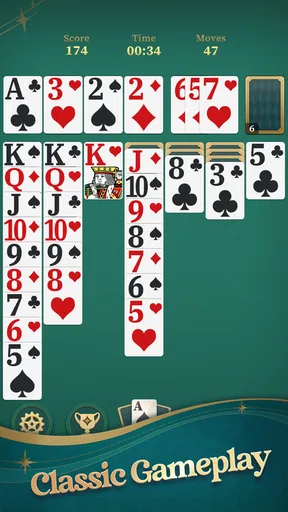
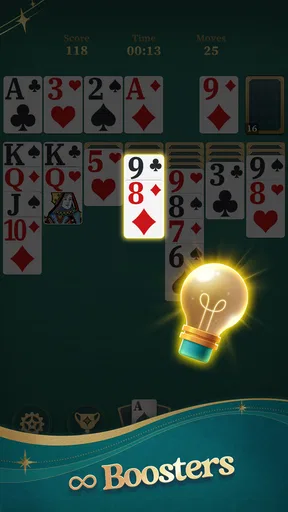
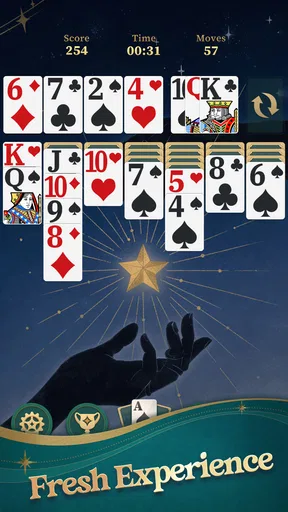
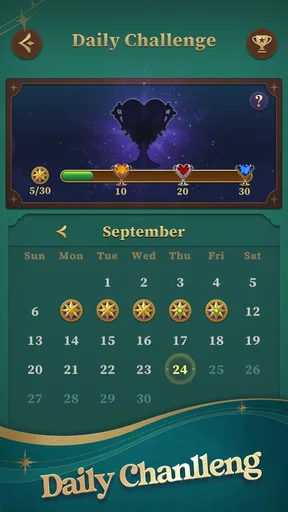
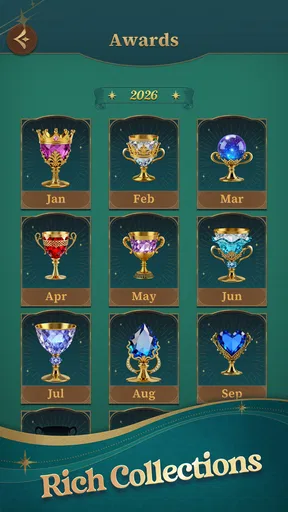
 Analysis by AppCompare
Magic Flip Card is a small card puzzle from JoyDot that caught my attention because it builds its identity around a single clear idea: flipping cards in a mystical tarot-inspired setting. I spent time with it as the kind of game I would open when I wanted a quiet mental break rather than a large adventure, competitive match, or complicated strategy system. That focused approach is both its strongest quality and the main reason some players may eventually want something deeper.
The game is free, aimed at Everyone, and belongs to the card category. Its store summary presents it as a puzzle game with a mystic tarot theme, while the short description keeps things even simpler: Magic Flip Card. That simplicity is useful when deciding what to expect. This is best viewed as a compact, visually themed card puzzle for short sessions, not as a full tarot-reading tool or a broad role-playing experience.
Why the flip-card idea matters
The central capability is the act of turning cards over and working out the puzzle through what is revealed. That sounds modest, but it changes the rhythm of play. Instead of asking me to manage a large collection of cards or learn a long list of effects, the game puts attention on observation, memory, and the order in which I make moves. The tarot presentation gives that familiar puzzle structure a more atmospheric frame.
In practice, the flip mechanic creates a small tension between curiosity and caution. I want to reveal information quickly, but every move also affects how I understand the arrangement in front of me. That makes the game feel more deliberate than a purely reflex-based card title. I found myself looking at the board as a pattern first and as a set of individual cards second, which is exactly where this type of design can become satisfying.
The real strength is not the theme alone; it is how the card-reveal action turns a very simple interaction into a short observation exercise. The tarot styling gives the game personality, but the usefulness of the mechanic comes from encouraging me to pause, remember what I have seen, and choose the next flip with a reason.
What a normal session feels like
I would approach a round by scanning the visible arrangement before touching anything. When a card is face down, the temptation is to flip it immediately, especially during a spare moment. A better habit is to treat each reveal as information. I try to remember the location and appearance of cards rather than tapping randomly, because that makes the puzzle feel more intentional and reduces the sense that success depends on luck alone.
This is also where the game works well as a casual mental reset. I can play for a few minutes, stop, and return later without needing to remember a story, a complex objective, or a long chain of controls. The card format keeps the interaction approachable, while the mystic presentation prevents it from feeling like a completely plain matching exercise.
Worth Reading Before You Choose

Flipboard Shows What News Apps Must Do Beyond the Feed

Switching to Android Auto Means Rethinking Your Driving Routine

Google Calendar Makes a Crowded Week Easier to Manage

Ludo King Makes the Most of the Minutes Between Plans

Baby Panda World Brings Quick Play to Modern Phones, but Its Game Library Feels Busy

ESPN’s Live Game View Makes Following Close Games Easier
One useful technique is to divide the arrangement mentally into small areas. I focus on one side, note the cards I have already exposed, and then move to the next area instead of trying to memorize everything at once. This is not a special feature or a hidden mode; it is simply the most effective way I found to make the flip mechanic feel less chaotic. Players who enjoy memory puzzles may appreciate that extra layer of self-imposed structure.
How the tarot theme changes the experience
The tarot influence gives the game a mood that ordinary card puzzles often lack. It suggests mystery and discovery without requiring the player to know anything about tarot symbolism. I do not need to study card meanings to understand the basic activity. The theme functions more like a visual and emotional wrapper, making the act of revealing a card feel more intriguing than opening an anonymous tile.
That choice has a trade-off. Players who love tarot aesthetics may find the setting inviting, but anyone looking for traditional tarot interpretation should adjust expectations. I would not choose this game as a substitute for a tarot reference, a reading app, or a detailed collection of card meanings. Its purpose is puzzle play, and the theme supports that purpose rather than replacing it.
For me, the best effect comes from the combination of a quiet card layout and the suggestion of hidden knowledge. It makes a short session feel slightly more absorbing without turning the experience into something demanding. That balance is useful when I want a game with a distinct identity but do not want to commit to a long campaign.
Using it in everyday situations
The most realistic use case is a short waiting period. If I have a few minutes before an appointment, during a commute as a passenger, or while taking a break from work, a flip-card puzzle fits better than a game that needs a stable block of time. I can start with little preparation, focus on the arrangement, and put the phone away when the break ends.
The game also suits people who prefer low-pressure entertainment. There is no need to compete with another player in the moment, and the format does not ask me to follow a large narrative. That makes it a reasonable choice for winding down in the evening or switching tasks after a concentration-heavy activity. The tarot mood adds a little atmosphere without making the experience loud or aggressive.
A more specific workflow worked well for me: I played one short session without trying to optimize every move, then replayed with the goal of improving my memory and planning. The first attempt helped me understand the arrangement; the second made me pay attention to patterns and unnecessary flips. This two-pass approach gives the game more value than simply tapping through once, especially for players who enjoy improving their process rather than chasing constant new content.
It can also be a gentle choice for someone who is curious about card puzzles but is intimidated by traditional card games. There is no need to learn poker hands, deck-building rules, or a competitive meta before starting. The basic action is immediately understandable: inspect, flip, remember, and solve. That accessibility is one reason the Everyone age rating feels appropriate for its general audience.
Who should skip it
I would not recommend it first to someone seeking a deep strategy game with deck construction, character progression, or competitive matchmaking. The appeal here comes from the focused flip-card puzzle, so players who want evolving systems may find the experience too narrow. A traditional solitaire title would be a better fit for someone who wants familiar card rules, while a larger puzzle game may offer more variety for someone who needs frequent changes of pace.
It may also be a poor match if you dislike memory-based play or prefer immediate action. The game’s central pleasure depends on observing and thinking about card positions. If that sounds like work rather than relaxation, the tarot theme alone may not be enough to hold your interest. I would also avoid treating it as a serious tarot utility, because that would judge it by a purpose it is not designed to serve.
Small habits that make the mechanic better
My first tip is to slow down after every reveal. The extra moment helps turn a random tap into useful information. I also found it helpful to use consistent visual labels in my head, such as “upper-left symbol” or “the dark card near the edge,” instead of relying only on the card’s position. If the layout becomes confusing, I reset my attention by scanning from one corner rather than jumping around.
Another practical tip is to play when you can give the screen at least modest attention. This is not the kind of game I would open while constantly switching between messages, because the value of the flip mechanic depends on remembering what appeared. Short does not mean mindless. A focused few minutes can be more rewarding than a longer distracted session.
Finally, I would treat the mystical presentation as a way to establish mood, not as a promise of hidden complexity. That expectation keeps the experience enjoyable. I can appreciate the atmosphere, solve the card puzzle, and stop without waiting for a larger system to emerge. In my view, understanding that boundary is important before downloading.
Performance, accessibility, and practical expectations
JoyDot presents the game as a free title, which makes it easy to try without a purchase decision. Its current version is 1.0.0, and it supports Android 7.0 or later. That broad compatibility is useful for people using older Android devices, although the experience will still depend on the phone’s own screen quality and responsiveness.
The game has an average rating of 4.4 from around 33 ratings, with five written reviews, and it has passed 10K+ installs. I read those figures as signs of early interest rather than proof that it will suit everyone. A small card puzzle can be very appealing to the right audience, but personal taste matters more here than popularity because the design is intentionally focused.
The Everyone rating also makes it a comfortable option for households looking for a simple puzzle without an older-audience label. I would still explain the gameplay to younger players rather than assuming the tarot styling will automatically make sense. The theme may look mysterious, but the activity itself is straightforward and can be approached as a memory and observation game.
Because it is a compact puzzle rather than a large card platform, I would judge it by clarity and moment-to-moment comfort, not by the scale of a collection-based game. The important question is whether the flipping interaction remains pleasant after the novelty of the theme fades. In my experience, it does when I use it in short bursts and actively engage with the layout, but it is less convincing if I expect endless variety from one central action.
How it compares with familiar alternatives
Compared with solitaire, Magic Flip Card feels less tied to established card rules and more dependent on visual discovery. Solitaire gives me recognizable objectives and a structured relationship between suits and ranks. This game instead asks me to pay attention to what is hidden and how the arrangement reveals itself. I would choose solitaire for a classic card pastime, but I would choose this one when I want a more atmospheric puzzle.
Compared with a standard memory matching game, the tarot theme gives the experience a stronger sense of place. The underlying appeal still involves remembering cards and making thoughtful choices, but the presentation can make the activity feel less like a children’s exercise. The trade-off is that a dedicated memory game may provide more variations or clearer educational framing, while this title is more interested in mood and simplicity.
Compared with a collectible card game, the difference is even larger. There is no reason to approach this expecting deck-building decisions, long-term collection management, or player-versus-player tension. Those alternatives are better for people who want layered strategy and ongoing competition. Magic Flip Card is better when I want the card format without the commitment that usually comes with a full card battler.
My recommendation after using the game
Magic Flip Card works best when I treat it as a calm, theme-led puzzle built around careful card flipping. The capability is narrow, but that narrowness gives the game a clear personality. I can open it during a short break, use memory and observation instead of reflexes, and enjoy the tarot-inspired atmosphere without learning a complicated ruleset.
Its limitations are equally clear. The focused design will not satisfy players who need a deep progression system, a competitive community, or a broad selection of card modes. The tarot theme should also be understood as presentation for a puzzle rather than a complete tarot experience. Those are not flaws in themselves, but they define the audience.
I would recommend trying it if you enjoy memory challenges, quiet card games, or unusual visual themes and want something free that can fit into small gaps in the day. I would skip it in favor of solitaire or a larger strategy title if your priority is traditional card structure or long-term depth. For the right player, JoyDot’s game offers a pleasant little ritual: look closely, flip with purpose, remember what appeared, and let the mystery stay just long enough to make the next move interesting.
Pros
- Simple flip-card mechanics are easy to learn and play anywhere.
- Short rounds make it suitable for quick breaks or casual sessions.
- Clean card-focused design keeps attention on the gameplay.
- Progressive challenges can provide a satisfying sense of improvement.
- Offline play may be convenient when no internet connection is available.
Cons
- Gameplay can become repetitive after extended sessions.
- Random card layouts may make some rounds feel luck-based.
- Limited variety could reduce long-term appeal for experienced players.
- Ads may interrupt play
- depending on the version and device.
- Small cards or effects may be difficult to see on compact screens.
FAQs for Magic Flip Card
What is Magic Flip Card and how is the game played?
Magic Flip Card is a casual memory game based on flipping cards and matching identical pairs. During a round, you reveal two cards at a time and try to remember their positions before the board is cleared. As levels progress, the layouts may become larger or more challenging, requiring concentration, visual memory, and quick decision-making. It is designed for short sessions as well as longer play periods.
Is Magic Flip Card suitable for children and beginners?
The game is generally easy to understand because its main mechanic is based on matching pairs. Children, casual players, and beginners can usually start playing without reading complicated instructions. However, the exact suitability depends on the version available on your device, including its advertising, difficulty settings, and content. Parents should review the store listing and in-app experience before allowing younger children to play independently.
Can Magic Flip Card be played offline?
Many card-matching games can be played without a continuous internet connection, which makes them convenient for travel, waiting rooms, or areas with limited connectivity. Nevertheless, some features—such as advertisements, analytics, online rankings, cloud synchronization, or updates—may require internet access. Before relying on offline play, open the game once while connected and test whether the main levels remain available without Wi-Fi or mobile data.
Does Magic Flip Card contain advertisements or in-app purchases?
The availability of advertising and purchases can vary according to the developer, platform, and specific release of Magic Flip Card. Free versions commonly include ads between rounds or on menu screens, while optional purchases may remove advertising or unlock additional content. Check the Google Play Store or App Store listing for current pricing and purchase details, and review your device’s parental controls if children will be using the app.
What permissions and device requirements should I check before downloading?
Before installing Magic Flip Card, check the official store page for its supported Android or iOS version, download size, recent update date, and developer information. A simple card game normally should not need extensive permissions, although advertising or tracking services may request access related to usage or device identifiers. Read the privacy section carefully, especially if you prefer to limit data collection, and download only from an official store.


